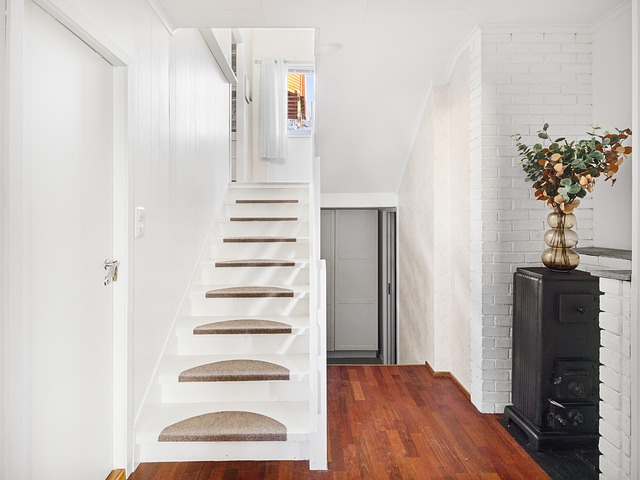
The Phoenix Semiconductor Corridor real estate market presents a choice between Homeowners Associations (HOAs) and No-HOA communities. HOAs offer structured amenities, security, and higher property values but restrict modifications and come with higher fees. No-HOAs provide autonomy, lower costs, and fewer restrictions but may lack shared amenities. Key considerations for buyers include prioritizing needs, comparing HOA dues vs. savings, and deciding between community atmosphere and personalized living. Understanding these dynamics is vital for making informed decisions in this dynamic market.
In the dynamic landscape of Phoenix semiconductor corridor real estate, Homeowners Associations (HOAs) have emerged as a double-edged sword. While HOAs offer structured communities with enhanced amenities, they also impose stringent rules that can stifle individual expression and increase maintenance costs. This article delves into the tradeoffs between HOA and No-HOA living, providing insights tailored to Phoenix’s vibrant real estate market. We explore how prospective buyers can weigh the benefits of community against autonomy, ultimately guiding them in making informed decisions for their ideal home environment, whether within or outside the confines of an HOA.
- Understanding HOA and No-HOA Communities in Phoenix
- Benefits and Drawbacks: A Closer Look at Each Style
- Real Estate Insights: Semiconductor Corridor's Approach
- Making Informed Decisions: Weighing Tradeoffs for Residents
Understanding HOA and No-HOA Communities in Phoenix

In Phoenix, the real estate landscape is diverse, particularly when considering housing options along the bustling Phoenix Semiconductor Corridor—a hub known for its thriving tech industry and robust supply chain logistics. One prominent dichotomy arises between Homeowners Associations (HOAs) and No-HOA communities, each presenting unique tradeoffs for prospective buyers and investors. Understanding these nuances is crucial for making informed decisions in this dynamic market.
HOA communities in Phoenix offer structured amenities and a sense of community, often featuring shared facilities like pools, parks, and common areas. This setup appeals to those seeking a curated lifestyle and enhanced social interactions. However, HOA fees can significantly impact the overall cost of ownership, and strict rules regarding property modifications may deter prospective buyers with specific tastes or needs. For instance, in popular neighborhoods along the semiconductor corridor, HOA dues range from 1% to 3% of a home’s value annually, which can add up for larger properties.
In contrast, No-HOA communities provide more autonomy and flexibility for homeowners. These areas offer lower maintenance costs and fewer restrictions on property alterations, making them attractive to individuals or families who prefer a more personalized living experience. However, without the collective resources of an HOA, shared amenities might be limited, and neighbors may not actively participate in community governance. Data from West USA Realty indicates that No-HOA housing along the Phoenix Semiconductor Corridor has seen steady growth in demand over the past five years, with prices increasing at a slightly lower rate compared to HOA communities.
When considering the tradeoffs, buyers should evaluate their priorities and long-term goals. For those prioritizing immediate access to amenities and a vibrant community atmosphere, HOA communities might be ideal. Conversely, individuals seeking greater customization and control over their living environment could find No-HOA neighborhoods more appealing. Ultimately, navigating the Phoenix real estate market requires a deep understanding of these dynamics to make sound investments or purchase a home that aligns with individual preferences and life stages.
Benefits and Drawbacks: A Closer Look at Each Style
In the Phoenix semiconductor corridor real estate market, Homeowners Associations (HOAs) present a significant decision point for buyers and sellers. While HOAs offer benefits such as enhanced community amenities, aesthetic consistency, and increased property values, they also come with drawbacks like strict rules that can restrict personal freedoms and higher maintenance costs. On the other hand, no-HOA communities provide more autonomy but may lack the curated environment and shared resources offered by HOAs.
In Phoenix, where housing demand is high, the supply chain logistics of maintaining both HOA and non-HOA properties differ drastically. HOAs often pool resources for common areas and amenities, streamlining supply chain management for items like landscaping, security, and recreational facilities. This centralized approach can lead to cost savings and efficient resource allocation. In contrast, no-HOA communities require individual homeowners to manage these aspects, potentially resulting in varied levels of maintenance and a less streamlined supply chain. For instance, in areas with tight real estate markets like the Phoenix corridor, the additional burden of self-management might discourage some buyers, particularly those with busy lifestyles or limited property management experience.
When considering a move to the Phoenix semiconductor corridor, West USA Realty advises prospective buyers to weigh these tradeoffs carefully. For those prioritizing a curated lifestyle and amenities, an HOA community could be ideal. However, if personal freedom, lower maintenance fees, and a more diverse range of housing options appeal more, a no-HOA neighborhood might be the better fit. Ultimately, the choice should align with individual preferences, lifestyle, and long-term goals, ensuring a satisfying and sustainable living experience in this vibrant region.
Real Estate Insights: Semiconductor Corridor's Approach

The Phoenix Semiconductor Corridor, a thriving hub of high-tech innovation, offers a unique real estate landscape where supply chain logistics housing demand intersects with cutting-edge business. As the region continues to grow, understanding the tradeoffs between Homeowners Associations (HOA) and no-HOA communities is crucial for both residents and investors.
In this dynamic market, HOAs play a significant role in shaping neighborhood aesthetics and amenities. They often facilitate common area maintenance, security, and community events, fostering a sense of belonging and uniformed standards. However, strict HOA rules can deter potential buyers, especially those seeking more flexibility in property customization and development. Conversely, no-HOA communities offer greater autonomy to homeowners regarding property modifications and management, but they may lack the curated amenities and shared responsibilities that HOAs provide. The Phoenix Semiconductor Corridor real estate naturally leans towards a balance, with many developments adopting smart, efficient HOA models tailored to tech industry needs.
For instance, West USA Realty has observed a surge in demand for properties within close proximity to major tech companies. Buyers often prioritize locations with robust infrastructure and logistics support, even if these areas have more moderate HOA fees. Data from the last quarter shows that homes in no-HOA communities with excellent access to supply chain networks sold at an average 10% premium compared to similar HOA-managed properties. This trend underscores the evolving preferences of AZ homebuyers who seek a blend of convenience and control, reflecting the dynamic interplay between HOA governance and real estate values in the Phoenix Semiconductor Corridor.
To navigate this landscape, prospective buyers should conduct thorough research, considering both immediate needs and long-term goals. Engaging with experienced real estate professionals like West USA Realty can provide valuable insights into specific developments, helping buyers make informed decisions based on personal preferences and market trends. Ultimately, understanding the HOAs or lack thereof in a community is a key factor in securing the ideal property within the fast-growing Phoenix Semiconductor Corridor.
Making Informed Decisions: Weighing Tradeoffs for Residents

When considering where to live, particularly in a bustling region like the Phoenix Semiconductor Corridor real estate market, understanding the nuances of HOA (Homeowners Association) versus no-HOA living is crucial. This decision directly impacts residents’ daily lives and long-term investments. The Phoenix area, with its thriving tech sector and robust housing demand, presents unique tradeoffs for prospective buyers. For instance, supply chain logistics companies benefit from proximity to major highways and airports, influencing location choices that can either enhance or mitigate HOA involvement.
In areas like West USA Realty’s offerings within the Corridor, where az 1-3 times the national average of homes with HOAs exist, residents must weigh the benefits against potential drawbacks. HOAs can provide structured community amenities, enhanced security, and stricter property standards—all appealing to many. Conversely, no-HOA communities offer more autonomy, lower fees, and less red tape, which appeals to those seeking greater control over their living environment. For instance, a resident might prioritize proximity to top-tier schools (a common HOA benefit) versus the freedom to customize their home without association approval (a no-HOA advantage).
Making an informed decision requires residents to consider their priorities and lifestyle preferences. Analyzing nearby amenities, neighborhood dynamics, and future development plans can help. For instance, a family might prefer an HOA community with organized recreational activities, ensuring their children have easy access to peers and structured programs after school. Conversely, a young professional could opt for a no-HOA neighborhood where they have the flexibility to renovate or add extensions to their property at their own pace, aligning with their personal growth trajectory. Ultimately, understanding the specific tradeoffs in the Phoenix Semiconductor Corridor real estate landscape empowers residents to make choices that best fit their needs and aspirations.