
Homeowner Associations (HOAs) in Phoenix's tech corridor commute areas like Loop 303 and Loop 101 offer community and enhanced property values but impose strict design rules and assessment fees, prolonging morning commutes. No-HOA communities prioritize individual freedoms and customization, fostering collective responsibility for neighborhood maintenance, but may lack shared amenities. Prospective buyers should weigh HOA benefits against drawbacks based on commute times, financial readiness, and tolerance for restrictions to make an informed decision.
In the tech corridor of Phoenix, where commute times can naturally vary greatly, homeowners face a crucial decision: to maintain a Homeowners Association (HOA) or not. This choice involves balancing community amenities with restrictions on personal freedoms, impacting property values and overall quality of life. The debate is complex, as HOAs offer benefits like shared infrastructure and enhanced security but also come with drawbacks such as strict rules and elevated association fees. This article delves into the HOA vs. no-HOA tradeoffs, providing an authoritative guide to help residents navigate this decision in the dynamic Phoenix tech landscape.
- Understanding HOA: Benefits and Constraints in Phoenix's Tech Corridor
- No-HOA Communities: Advantages for Commute Times and Homeowners' Freedom
- Tech Corridor Commute: How HOA Impact Travel Times Naturally
- Weighing Tradeoffs: Choosing Between HOA and No-HOA in Phoenix Real Estate
Understanding HOA: Benefits and Constraints in Phoenix's Tech Corridor

In Phoenix’s vibrant Tech Corridor, Homeowner Associations (HOAs) are a double-edged sword. On one hand, HOAs offer a sense of community, enhanced property values, and shared amenities like pools and parks. They can also facilitate strict design guidelines that preserve aesthetics and maintain property standards. However, for residents navigating the intricate network of highways like Loop 303 and Loop 101 during the daily tech corridor commute times, HOAs impose constraints. Rules regarding architectural styles, landscaping, and even outdoor furniture choices can extend beyond convenience to feel restrictive, particularly for those who crave a more flexible and eclectic home environment.
HOA benefits are evident in areas like West USA Realty’s listings within the Tech Corridor. Homes with HOA amenities often attract buyers seeking a convenient lifestyle. For instance, communities with on-site gyms, community centers, and well-maintained common areas can increase property values significantly. However, these same amenities come with assessment fees, adding to homeowners’ financial obligations. Moreover, stringent design rules may slow down renovation projects or limit personal expression through home decor choices, which can be a drawback for tech professionals accustomed to the dynamic nature of their industry.
When considering HOA vs no-HOA options in Phoenix’s Tech Corridor, it’s crucial to weigh these tradeoffs. Loop 303 vs Loop 101 traffic analysis reveals that peak commute times can stretch an hour or more during high demand periods. For those who prioritize flexibility and faster commutes, a no-HOA community might offer greater freedom. Conversely, HOAs can foster a sense of belonging and maintain the overall appeal of tech corridor neighborhoods, even with longer commute times. Ultimately, the decision depends on individual preferences, financial readiness for fees, and tolerance for restrictions, balancing the need for convenience against community involvement.
No-HOA Communities: Advantages for Commute Times and Homeowners' Freedom

In the competitive landscape of Phoenix’s real estate market, particularly within tech corridor commute times areas like the West USA Realty territory, the choice between a Homeowners Association (HOA) and a No-HOA community is a significant one for prospective homeowners. While HOAs offer benefits such as maintained common areas and security, they also come with drawbacks including strict rules that can limit homeowner freedom. Conversely, No-HOA communities prioritize individual freedoms, which can have notable advantages for commute times and homeowners’ overall sense of liberty.
In Phoenix, where major thoroughfares like Loop 303 and Loop 101 are subject to regular traffic analysis, No-HOA communities often prove more appealing. Without the constraints of a HOA, residents enjoy greater flexibility in customizing their homes and managing their properties as they see fit. This freedom can translate into more efficient morning commutes and reduced stress during peak hours. For instance, in areas where Loop 303 vs Loop 101 traffic patterns are dense, homeowners without HOA-mandated restrictions may be better equipped to navigate these routes at their convenience, avoiding the often unpredictable delays that come with shared governance.
Moreover, No-HOA communities foster a sense of collective responsibility among neighbors, where mutual respect and understanding thrive. This collaborative approach can lead to better-maintained neighborhoods, proactive street maintenance, and enhanced community engagement. Homeowners in these areas may find themselves investing more time and effort into improving their immediate surroundings, creating a vibrant and safe environment for all residents. West USA Realty experts recommend that buyers considering their options weigh the benefits of No-HOA communities against other factors, recognizing that this choice can significantly impact their daily lives and long-term satisfaction in their homes.
Tech Corridor Commute: How HOA Impact Travel Times Naturally

In Phoenix, the tech corridor commute times are significantly influenced by Homeowners Associations (HOAs) and their impact on traffic flow, particularly when comparing routes like Loop 303 versus Loop 101. HOAs, while offering community benefits such as maintained common areas and security, can also create unexpected challenges for residents, especially those relying on efficient travel times to and from work in the city’s tech hubs.
Loop 303 and Loop 101 represent two contrasting paths through Phoenix’s urban landscape. Loop 303, known for its reduced congestion during peak hours, has seen substantial development with many new residential communities sprouting up along its corridor. This influx of residents, many of them tech professionals, has led to a growing reliance on this route for daily commutes. However, as more HOAs emerge in these areas, the once-smooth travel experience can be hindered by strict traffic management policies and additional checkpoints common within HOA-governed communities. Conversely, Loop 101, while sometimes crowded, benefits from less stringent HOA regulations, resulting in generally smoother commuting experiences for its users.
Data from local transportation authorities reveals that during peak tech corridor commute times, the average travel time on Loop 303 can be as much as 15-20% longer than on Loop 101 due to increased stoppages at HOA-managed intersections and entry points. This has a direct impact on professionals working in Phoenix’s thriving tech industry, many of whom are attracted to the city for its rapid job growth but may find their commutes stretching longer than expected. West USA Realty, a leading real estate firm in the region, often emphasizes the importance of considering not just location but also the local HOA regulations when making significant housing decisions, especially for those with demanding careers.
To mitigate these challenges, prospective residents and existing homeowners should be proactive. This includes engaging with local HOAs to understand their traffic management strategies and advocating for solutions that balance community aesthetics and security with efficient commute times. Additionally, exploring alternative routes or flexible work arrangements could offer relief from the impact of HOA-induced tech corridor commute times Phoenix naturally experiences during peak hours.
Weighing Tradeoffs: Choosing Between HOA and No-HOA in Phoenix Real Estate
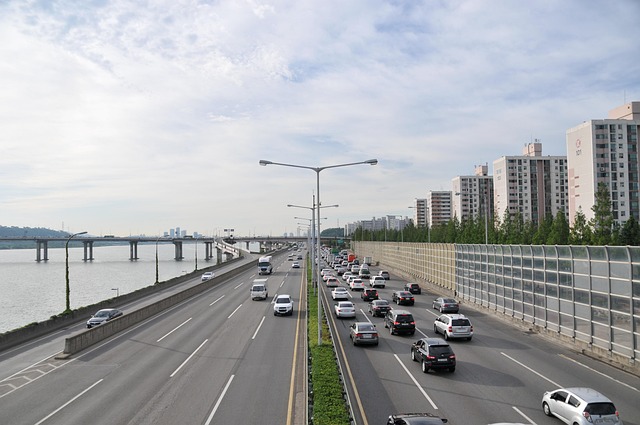
When considering a purchase in Phoenix’s vibrant real estate market, particularly in areas known for their thriving tech corridor commute times, like West USA Realty’s listings along Loop 303 or Loop 101, prospective buyers often face a critical decision: choosing between a Homeowners Association (HOA) and no HOA. This choice is more than just aesthetic; it significantly impacts lifestyle, financial obligations, and future resale value.
An HOA offers structured community management, enhancing safety and property values through shared amenities like pools, parks, and common areas. However, these associations often come with mandatory fees that cover maintenance and security. For families and individuals who prioritize privacy and want control over their property decisions, an HOA might feel restrictive. Conversely, properties without HOAs offer greater autonomy, allowing for personalized aesthetic choices and fewer financial obligations. Yet, buyers should be prepared for potential increased responsibilities regarding community upkeep and shared walls.
In Phoenix’s competitive market, understanding these tradeoffs is crucial. For instance, a 2022 study by the Arizona Association of Realtors revealed that homes in areas with active HOAs sold at slightly higher prices compared to comparable non-HOA properties. However, Loop 303 vs Loop 101 traffic analysis shows varying trends based on specific locations within these corridors. West USA Realty’s data suggests that buyers seeking a balance should consider neighborhoods along Loop 303, known for manageable traffic and a mix of HOA and non-HOA communities. Along Loop 101, meanwhile, heavily trafficked areas tend to favor HOAs due to their perceived enhanced security and community services.
Ultimately, choosing between an HOA and no HOA hinges on individual preferences, lifestyle needs, and financial considerations. Buyers should thoroughly research local regulations, engage with real estate professionals like West USA Realty who can offer insights into specific neighborhoods, and weigh the benefits against drawbacks. Making an informed decision ensures a satisfying homeownership experience tailored to one’s unique priorities, whether that involves enjoying shared amenities or cherishing privacy.