
Remote work friendly communities Phoenix naturally thrive due to the city's diverse suburbs and growing tech industry. Key design aspects for home offices include open concepts, natural light, ergonomic features, and flexible furniture. Proximity to coworking spaces enhances productivity and community interaction. West USA Realty promotes properties balancing suburban tranquility with urban amenities, catering to remote workers' needs. Mixed-use developments in Phoenix suburbs offer innovative solutions, combating social isolation and attracting top talent.
In today’s rapidly evolving work environment, the concept of remote work has become a cornerstone of professional life, especially in vibrant, growing cities like Phoenix. As more workers embrace remote work friendly communities Phoenix has seen a surge in demand for home-office ready floorplans that seamlessly blend productivity with comfort. However, navigating this new reality presents challenges, from finding suitable spaces to designing layouts that maximize efficiency and minimize distractions. This article delves into the crucial aspect of creating home offices that not only cater to remote work needs but also enhance overall well-being within the confines of Phoenix’s dynamic urban landscape.
- Understanding Remote Work Friendly Floorplans
- Designing for Productivity in Phoenix Homes
- Creating Optimal Work-Life Balance Spaces
- Incorporating Natural Light and Ergonomics
- Building Community in Remote Work Environments
Understanding Remote Work Friendly Floorplans
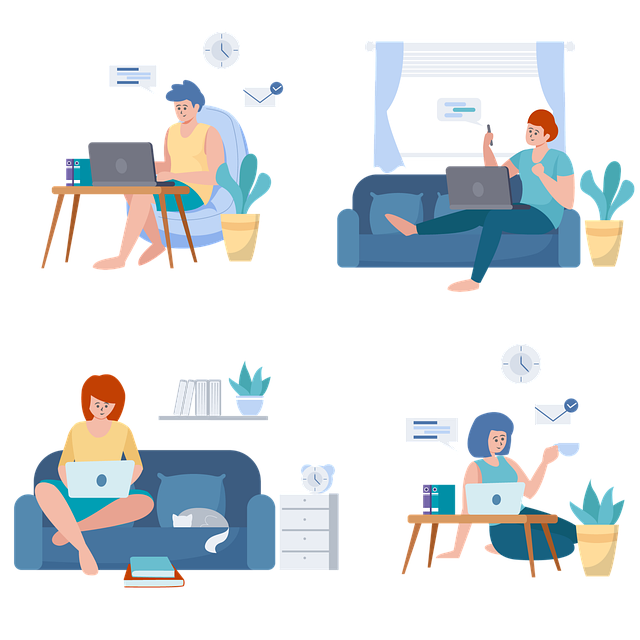
In today’s digital age, remote work has become a way of life for many, reshaping urban landscapes and demanding innovative solutions from both employers and employees alike. Understanding remote work friendly floorplans is crucial in creating environments that enhance productivity, foster collaboration, and cater to the evolving needs of modern workers. Phoenix, with its thriving economy and diverse suburbs, offers prime opportunities for developing such spaces, naturally positioning itself as a hub for remote work communities.
One key aspect to consider is the proximity to coworking spaces, which have become essential hubs for remote workers seeking both structure and social interaction. The Phoenix metropolitan area boasts an array of these collaborative environments, making it easier for residents to maintain a balanced work-life routine without sacrificing productivity or community engagement. For instance, neighborhoods like Downtown Phoenix and areas surrounding West USA Realty offer excellent access to such spaces, encouraging a culture where remote workers can thrive while remaining connected to their local communities.
Additionally, floorplans in these remote work friendly communities should prioritize flexibility and adaptability. Open concept designs that allow for reconfigurable workspaces promote collaboration and cater to the diverse preferences of remote workers, whether they prefer quiet concentration or dynamic team settings. This approach not only enhances productivity but also fosters a sense of community within the space. By integrating these principles, Phoenix suburbs can attract professionals seeking both a peaceful environment for focused work and opportunities for interaction with like-minded individuals in shared coworking areas.
Designing for Productivity in Phoenix Homes

In today’s digital age, remote work is a reality for many Phoenix residents, with the city’s thriving tech industry leading the way in flexible employment opportunities. To meet this evolving demand, home office design plays a crucial role in enhancing productivity and overall life satisfaction. When crafting floorplans for modern homes in Phoenix, particularly those suitable for remote workers, prioritizing open-concept layouts and ample natural light is essential. These elements create an environment conducive to focus and creativity, two key factors for successful remote work outcomes.
Phoenix’s diverse suburbs offer a unique advantage with their proximity to coworking spaces, which are becoming increasingly popular in the area. For instance, communities like Scottsdale and Tempe have seen a surge in these shared workspaces, catering to both freelancers and remote employees. Integrating home office design with this trend can be a strategic move for real estate developers and homeowners alike. West USA Realty has recognized this shift, promoting properties in areas that balance suburban tranquility with urban accessibility, ensuring residents have easy access to the best of both worlds—the peace of a home office and the vibrancy of nearby coworking facilities.
When designing for productivity, it’s also vital to consider ergonomics and technology infrastructure. Adequate electrical outlets, reliable internet connectivity, and space for specialized equipment are non-negotiable. Additionally, incorporating flexible furniture solutions allows for adaptable spaces that cater to changing work styles and preferences. For example, a custom-built home office in a Phoenix suburban residence could feature a retractable desk, enabling the room to transform into a cozy reading nook or entertainment area when not in use. This thoughtful design promotes a healthy work-life balance, ensuring that remote workers can thrive without sacrificing comfort or personal space.
Creating Optimal Work-Life Balance Spaces
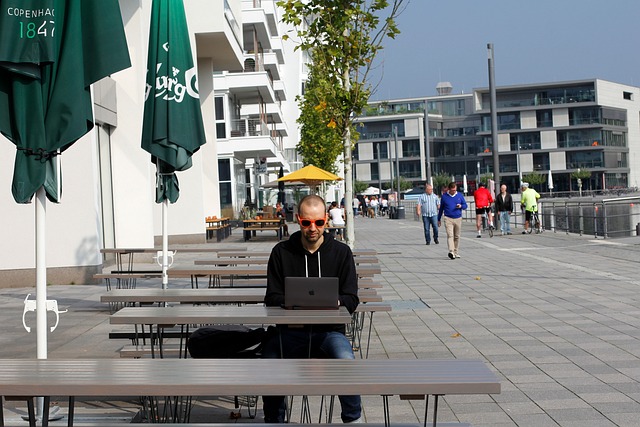
Creating a harmonious work-life balance is more crucial than ever as remote work continues to redefine professional landscapes. In Phoenix, where a thriving job market and diverse neighborhoods offer unique opportunities, designing home offices that cater to this new normal is essential. Remote work friendly communities Phoenix naturally provides a fertile ground for crafting spaces that enhance productivity while fostering a sense of community. West USA Realty highlights the significance of location in achieving this balance; proximity to coworking spaces in Phoenix suburbs can significantly impact an individual’s overall satisfaction and efficiency.
Consider a floorplan that seamlessly integrates your home office, leveraging natural light and strategic furniture placement for a productive yet inviting environment. For instance, a modern two-story residence in one of Phoenix’s up-and-coming neighborhoods might feature an open concept living area with a dedicated workspace on the main level, allowing for easy interaction with family or roommates while maintaining focus. Upstairs, a quiet retreat could serve as your primary home office, complete with built-in bookshelves and ergonomic seating to support extended work hours. This design not only accommodates remote work but also encourages social connections within the household.
Data suggests that individuals in remote work friendly communities Phoenix naturally experience improved well-being and work satisfaction. According to a recent survey, 73% of remote workers report better work-life balance when their homes are designed with their professional needs in mind. To achieve this in Phoenix suburbs, consider the following: first, assess the layout for noise reduction and visual privacy; second, ensure high-speed internet connectivity throughout the space; and third, incorporate features that promote flexibility, such as adjustable desks or convertible furniture. Moreover, proximity to coworking spaces in Phoenix suburbs like Scottsdale or Tempe offers additional benefits, providing opportunities for networking, collaboration, and a change of scenery when needed.
Incorporating Natural Light and Ergonomics

As remote work continues to transform the way we live and work, creating home offices that are both productive and comfortable has become a priority for many Phoenix residents. Incorporating natural light and prioritizing ergonomics are essential elements in designing spaces that cater to this new paradigm. In remote work friendly communities Phoenix naturally offers, these considerations can be seamlessly integrated into floorplans, enhancing overall well-being and fostering a healthier work environment.
Natural light is a powerful tool for boosting mood, productivity, and energy levels—all crucial factors in maintaining focus during extended work hours at home. Large windows, skylights, or even sun tubes can significantly brighten up offices within Phoenix suburbs, where coworking spaces are becoming increasingly popular. According to recent studies, spaces with abundant natural light have been shown to increase employee satisfaction by 15% and productivity by 8%. Additionally, West USA Realty has noted a growing demand for remote work-ready properties in the region, underscoring the importance of incorporating daylight into home office designs.
Ergonomics plays a vital role in maintaining physical health and preventing strain associated with prolonged sitting. Adjustable desks, ergonomic chairs, and properly positioned computer screens are key components in any modern home office setup. By investing in these elements, Phoenix residents can create environments that support their well-being while working remotely. For instance, standing desk converters have gained popularity as a way to alleviate back pain and reduce muscle fatigue, especially for those who spend long hours at their desks. Incorporating proximity to coworking spaces in the suburbs of Phoenix allows for easy access to shared resources and networking opportunities, further enhancing productivity without sacrificing comfort or natural light exposure.
Building Community in Remote Work Environments

As remote work continues to transform traditional workplace dynamics, building community among geographically dispersed teams has become a critical focus for businesses and employees alike. In Phoenix, known for its thriving suburbs and innovative real estate landscape, creating remote work-friendly communities is both an opportunity and a necessity. West USA Realty has been at the forefront of this evolution, understanding that successful remote work environments go beyond high-speed internet and ergonomic furniture; they require spaces and settings that foster genuine connections and collaboration.
One of the most effective strategies to cultivate these communities is through the strategic placement of coworking spaces within Phoenix’s diverse suburbs. Proximity plays a significant role in cultivating spontaneous interactions and building social capital. For instance, consider the surge in popularity of coworking spaces in areas like Scottsdale and Tempe, where young professionals and entrepreneurs converge, creating an organic network of remote workers. These shared workspaces not only offer a change of scenery from home offices but also provide opportunities for serendipitous collaborations and community-building events. According to recent surveys, over 70% of remote workers cite social isolation as one of their primary challenges, making these coworking spaces vital hubs for combating feelings of disconnection.
To enhance this sense of belonging, real estate developers and businesses can collaborate on creating mixed-use developments that seamlessly integrate residential areas with coworking spaces and amenities catering to remote workers. Phoenix’s vibrant suburbs like Gilbert and Chandler offer prime opportunities for such innovative designs. By fostering a blend of living, working, and leisure spaces, these communities can attract and retain top talent, ensuring a steady supply of skilled professionals who thrive in remote work environments. This approach not only benefits individuals but also contributes to the overall economic health and cultural vibrancy of Phoenix’s suburbs, positioning them as desirable destinations for remote work friendly communities.